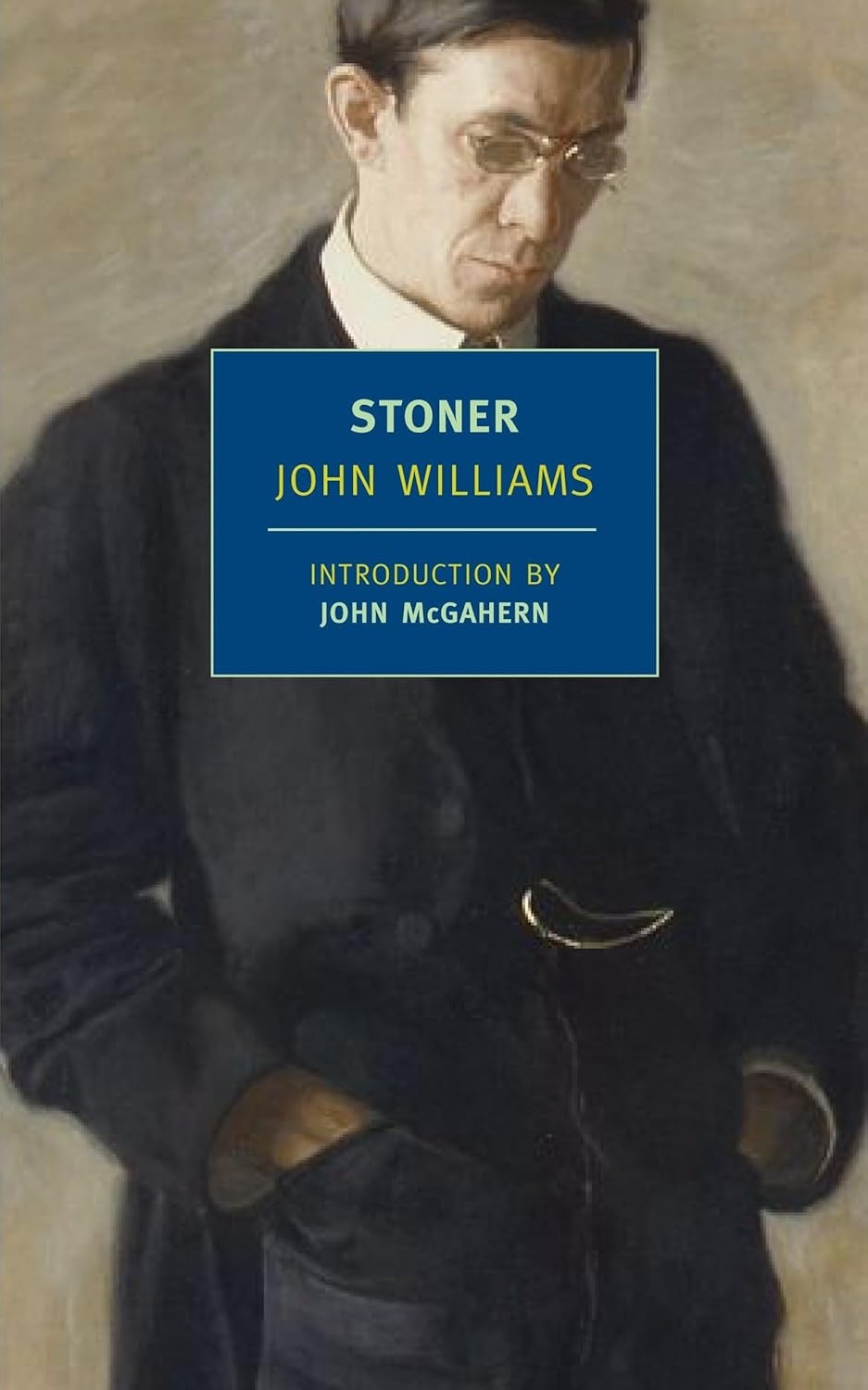
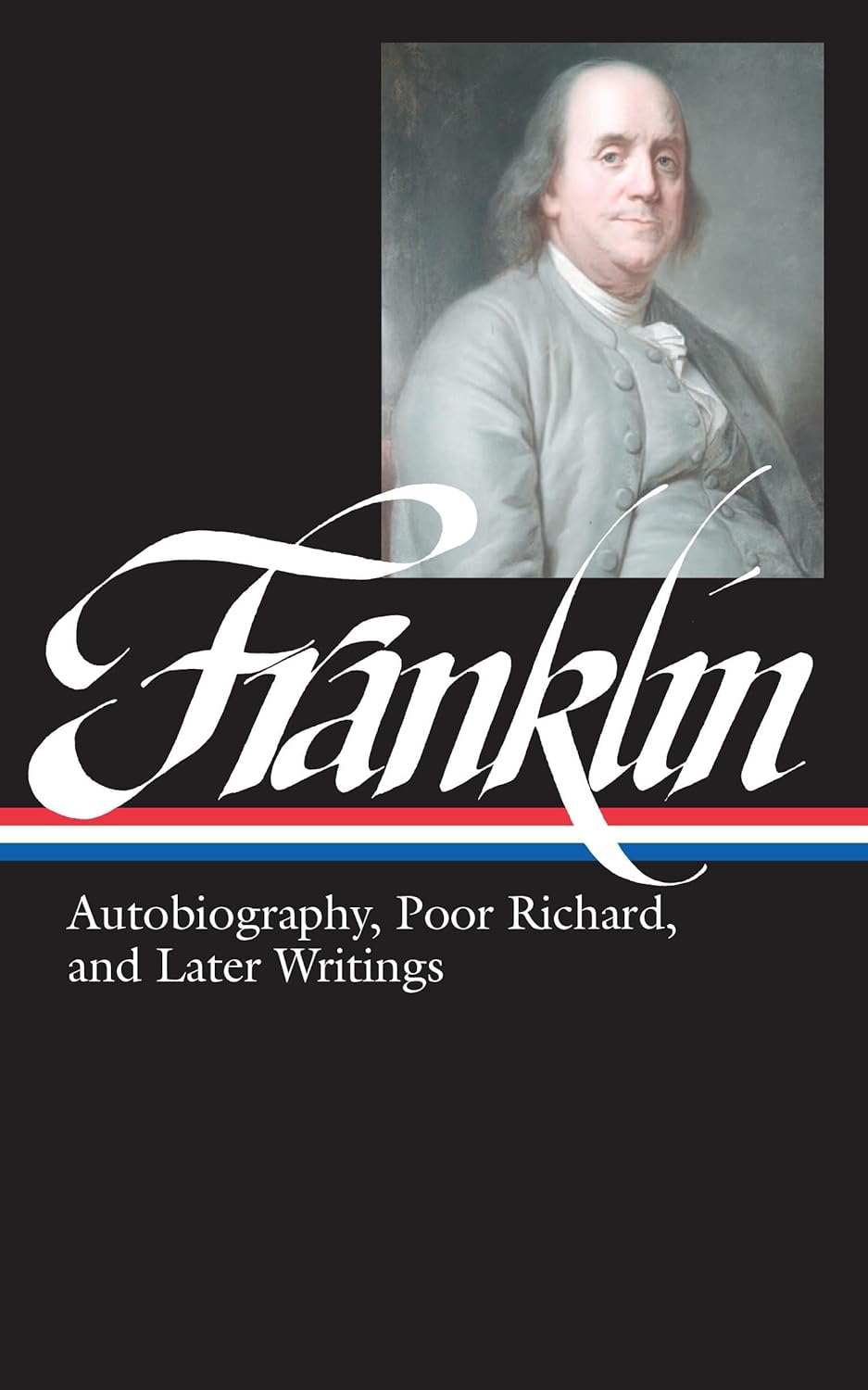
This work was part of a three-book collection published by the Library of America (my favorite publishing house). I initially bought the book for Butcher's Crossing. Given how much I enjoyed the first book, I decided to try the second. Butcher's was set in the late 1800s and told the story of a buffalo hunt. This second work, Stoner, takes place in the early 1900s and is about a college professor at the University of Missouri, a school I attended for one year and where my youngest is studying now. I knew nothing going in, which is very much how I prefer my entertainment (no trailers, summaries, spoilers) but I was not prepared for such a dramatic shift in subject and narrative. It is worth noting the third book in this collection is about Augustus Caesar which makes the jump between the first and the second seem like the span between two breaths of air.
I enjoyed Butcher's Crossing but I absolutely loved Stoner. Not sure exactly where it falls in my top twenty, but it soundly lives there. I don't remember falling for such a unassuming work this hard before. Mostly, I'm having trouble fathoming how Stoner is not a more known or discussed piece of literature. The book's opening alone, initial quote below, begins the sedate yet rich story-telling you encounter throughout.
William Stoner entered the University of Missouri as a freshman in the year 1910, at the age of nineteen. Eight years later, during the height of World War I, he received his Doctor of Philosophy degree and accepted an instructorship at the same University, where he taught until his death in 1956. He did not rise above the rank of assistant professor, and few students remembered him with any sharpness after they had taken his courses. When he died his colleagues made a memorial contribution of a medieval manuscript to the University library. This manuscript may still be found in the Rare Books Collection, bearing the inscription: "Presented to the Library of the University of Missouri, in memory of William Stoner, Department of English. By his colleagues."
An occasional student who comes upon the name may wonder idly who William Stoner was, but he seldom pursues his curiosity beyond a casual question. Stoner's colleagues, who held him in no particular esteem when he was alive, speak of him rarely now; to the older ones, his name is a reminder of the end that awaits them all, and to the younger ones it is merely a sound which evokes no sense of the past and no identity with which they can associate themselves or their careers.
With a touch that was so frail that he could hardly feel it, she led him beside the open coffin. He looked down. He looked until his eyes cleared, and then he started back in shock. The body that he saw seemed that of a stranger; it was shrunken and tiny, and its face was like a thin brown-paper mask, with black deep depressions where the eyes should have been. The dark blue suit which enfolded the body was grotesquely large, and the hands that folded out of the sleeves over the chest were like the dried claws of an animal. Stoner turned to his mother, and he knew that the horror he felt was in his eyes.
He was forty-two years old, and he could see nothing before him that he wished to enjoy and little behind him that he cared to remember.
Sometimes they would lift their eyes from their studies, smile at each other, and return to their reading; sometimes Stoner would look up from his book and let his gaze rest upon the graceful curve of Katherine's back and upon the slender neck where a tendril of hair always fell. Then a slow, easy desire would come over him like a calm, and he would rise and stand behind her and let his arms rest lightly on her shoulders. She would straighten and let her head go back against his chest, and his hands would go forward into the loose robe and gently touch her breasts. Then they would make love, and lie quietly for a while, and return to their studies, as if their love and learning were one process.
On their last morning Katherine straightened the furniture and cleaned the place with slow care. She took off the wedding band she had worn and wedged it in a crevice between the wall and the fireplace. She smiled self-consciously. "I wanted," she said, "to leave something of our own here; something I knew would stay here, as long as this place stays."
He could not think of himself as old. Sometimes, in the morning when he shaved, he looked at his image in the glass and felt no identity with the face that stared back at him in surprise, the eyes clear in a grotesque mask; it was as if he wore, for an obscure reason, an outrageous disguise, as if he could, if he wished, strip away the bushy white eyebrows, the rumpled white hair, the flesh that sagged round the sharp bones, the deep lines that pretended age.